
Crafting the Future: How Eco-Friendly Style Contests Are Shaping the Next Generation of Fashion
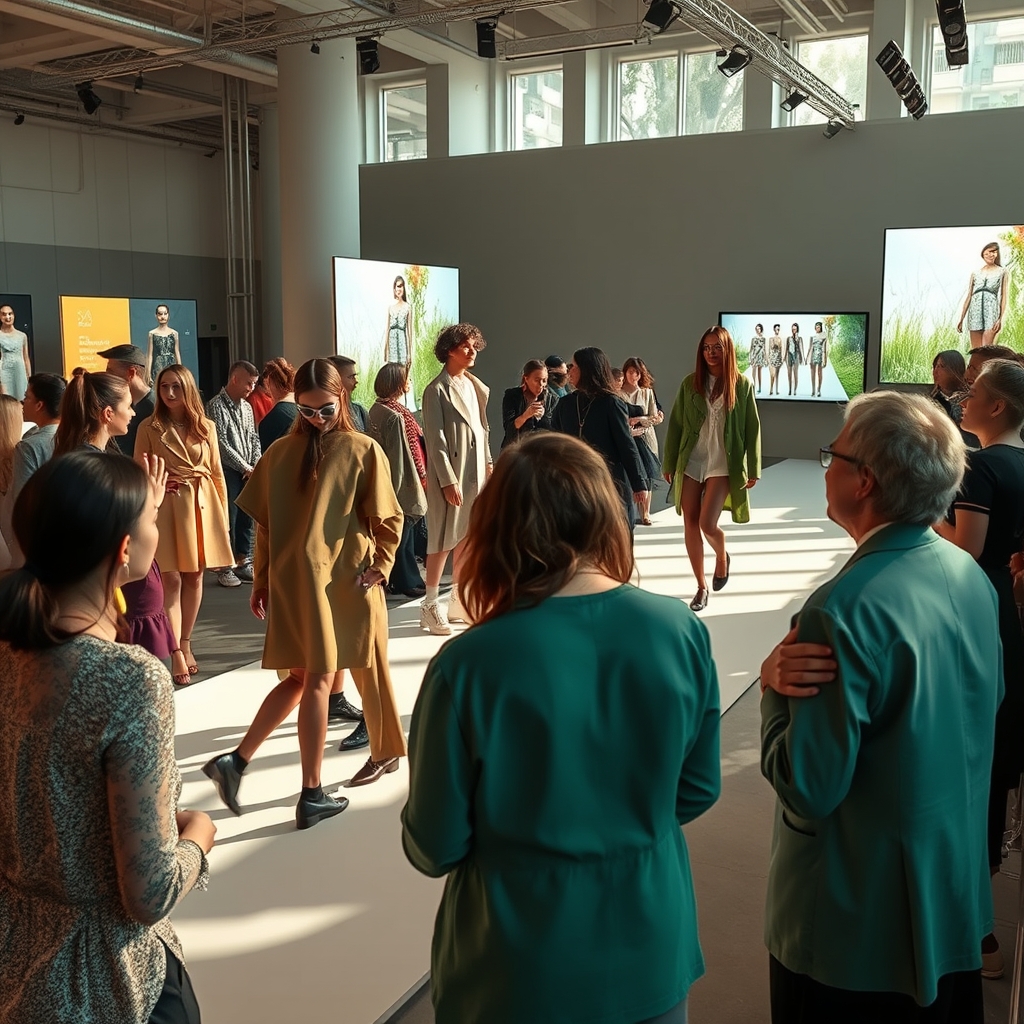
The fashion industry stands at a crossroads, where creativity meets responsibility. As environmental concerns take center stage, Eco-Friendly Style Contests are emerging as powerful platforms that challenge designers to rethink their craft. These competitions are not just about aesthetics; they are about innovation, sustainability, and the future of fashion itself. By blending artistry with eco-consciousness, they are fostering a new generation of designers who prioritize the planet as much as they do their collections.
The Rise of Sustainable Fashion Awards
In recent years, Sustainable Fashion Awards have gained unprecedented momentum, reflecting a broader shift in consumer values. Events like the Global Fashion Awards and the International Style Awards now include dedicated categories for sustainable design, rewarding those who push the boundaries of eco-friendly materials and ethical production. These contests serve as a beacon for emerging talent, offering visibility, mentorship, and financial support to designers committed to reducing fashion’s environmental footprint.
What sets these competitions apart is their emphasis on circularity—encouraging designers to create pieces that are not only beautiful but also biodegradable, upcycled, or made from renewable resources. From mushroom leather to recycled ocean plastics, the materials showcased in these contests are as diverse as they are groundbreaking. The message is clear: sustainability is no longer a niche trend but a non-negotiable standard for the industry’s future.
From Concept to Runway: The Journey of an Eco-Conscious Designer
For many designers, participating in an Eco-Friendly Style Contest is a transformative experience. Take, for example, the journey of a young designer who entered the Next Generation Designer competition with a collection made entirely from deadstock fabrics. The process began with sourcing materials—scouring textile waste from factories and fashion houses to repurpose into something new. Each piece was meticulously crafted, with an emphasis on zero-waste pattern cutting and natural dyes.
The result? A collection that not only wowed the judges but also sparked conversations about the potential of upcycling in high fashion. This designer’s story is just one of many, illustrating how these contests provide a launchpad for innovative ideas that might otherwise go unnoticed. They offer a space where experimentation is encouraged, and failure is seen as a stepping stone rather than a setback.
The Role of Technology in Sustainable Fashion
Technology is playing an increasingly vital role in the evolution of eco-friendly fashion competitions. Digital Fashion Competitions and Virtual Fashion Contests are breaking down geographical barriers, allowing designers from around the world to showcase their work without the carbon footprint of traditional runway shows. Platforms like these leverage 3D modeling, augmented reality, and blockchain to verify the sustainability of materials, ensuring transparency in the supply chain.
Moreover, advancements in fabric technology are enabling designers to explore new frontiers. Lab-grown textiles, algae-based dyes, and even garments made from agricultural waste are becoming staples in sustainable design. Competitions like the Innovative Style Awards are at the forefront of this movement, celebrating designers who harness technology to create fashion that is both cutting-edge and kind to the planet.
Beyond the Competition: The Lasting Impact of Eco-Friendly Contests
The influence of these contests extends far beyond the runway. Winners often gain access to industry networks, collaborations with established brands, and opportunities to scale their sustainable practices. For instance, a past winner of the Haute Couture Competition with a focus on sustainability was later commissioned to design a capsule collection for a major luxury brand, proving that eco-conscious fashion can thrive in the mainstream market.
These competitions also serve as educational tools, raising awareness among consumers about the environmental impact of their clothing choices. By showcasing the possibilities of sustainable fashion, they inspire a shift in consumer behavior, encouraging people to support brands that align with their values. The ripple effect is undeniable—what starts as a contest entry can evolve into a movement that reshapes the entire industry.
The Future of Fashion Competitions
As the fashion industry continues to grapple with its environmental responsibilities, the role of Eco-Friendly Style Contests will only grow in importance. Future iterations of these competitions may incorporate even stricter sustainability criteria, such as carbon-neutral production processes or closed-loop systems where garments are designed to be endlessly recyclable. There is also potential for greater collaboration between designers, scientists, and technologists to develop new materials and methods that further reduce fashion’s ecological footprint.
The next decade will likely see a surge in hybrid competitions that blend physical and digital elements, making sustainable fashion more accessible to a global audience. Imagine a Virtual Fashion Contest where designers from every corner of the world can participate, judged not only on creativity but also on their commitment to ethical practices. The possibilities are endless, and the impact could be revolutionary.
Fashion has always been a reflection of the times, and today, it mirrors our collective desire for a more sustainable future. Competitions that prioritize eco-friendly design are not just shaping the next generation of fashion— they are redefining what it means to be a designer in the 21st century. By embracing innovation, technology, and a deep respect for the planet, these contests are proving that style and sustainability can coexist harmoniously. The designers who rise to this challenge are not just creating clothing; they are crafting a legacy that will endure for generations to come.