The Sustainable Romance of Elegant Silk Scarves: How Timeless Accessories Are Elevating Ethical Fashion Beyond Trends

Silk scarves have long been a symbol of sophistication, their delicate fabric and intricate patterns weaving stories of travel, artistry, and timeless elegance. Yet, in an era where fast fashion dominates, the silk scarf stands as a quiet rebel—a testament to how accessories can transcend fleeting trends while championing sustainability. Ethical fashion brands are reimagining this classic piece, proving that elegance and eco-consciousness are not mutually exclusive but rather, beautifully intertwined.
The Legacy of Silk: A Fabric Steeped in History
Silk’s journey begins thousands of years ago along the ancient Silk Road, where it was traded as a luxury commodity coveted by royalty and aristocrats. The fabric’s lustrous sheen, unparalleled softness, and durability made it a status symbol, while its versatility allowed it to be draped, tied, or woven into garments with effortless grace. Today, silk scarves carry that same legacy, but with a modern twist: they are now a canvas for sustainable innovation.
Traditional silk production, however, has often been criticized for its environmental and ethical shortcomings, from the use of harsh chemicals to the exploitation of silkworm farming. In response, forward-thinking brands are turning to peace silk (also known as Ahimsa silk), a cruelty-free alternative where silkworms are allowed to complete their life cycle before the silk is harvested. This method not only aligns with ethical values but also produces a fabric that is just as luxurious, if not more so, than conventional silk.
Sustainable Silk Scarves: A Marriage of Ethics and Aesthetics
The rise of sustainable silk scarves is not just about the fabric itself but also about the entire lifecycle of the accessory. Brands are increasingly adopting circular fashion principles, ensuring that every step—from dyeing to distribution—minimizes environmental impact. Natural dyes derived from plants, fruits, and even insects are replacing synthetic alternatives, resulting in scarves that are as gentle on the planet as they are on the skin. Meanwhile, digital printing techniques reduce water waste, and zero-waste pattern cutting ensures that every inch of fabric is utilized.
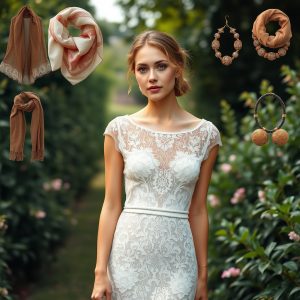
What makes these scarves truly special, however, is their ability to elevate any outfit without relying on excess. A single silk scarf can transform a simple white tee and jeans into a chic ensemble, or add a touch of refinement to a minimalist blazer. The versatility of silk scarves lies in their adaptability—whether knotted at the neck, tied to a handbag, or even worn as a headband, they infuse an effortless elegance into everyday wear. This multifunctionality aligns perfectly with the ethos of sustainable fashion, where the goal is to invest in pieces that serve multiple purposes and stand the test of time.
Artistry Meets Sustainability: The Design Revolution
Gone are the days when sustainable fashion was synonymous with muted tones and simplistic designs. Today’s ethical silk scarves are a celebration of artistry, featuring bold prints, intricate embroidery, and collaborations with independent artists. Brands like Stella McCartney, Amour Vert, and People Tree are leading the charge, proving that sustainability can be synonymous with creativity. From abstract watercolor motifs to vintage-inspired florals, these scarves are not just accessories—they are wearable art.
One particularly exciting trend is the resurgence of heritage prints, where brands revive archival designs from the mid-20th century, reimagining them with a contemporary twist. These patterns—think retro polka dots, Art Deco geometrics, or bohemian paisleys—add a layer of nostalgia to modern outfits, bridging the gap between past and present. By breathing new life into these designs, sustainable brands are preserving craftsmanship while reducing the demand for new, resource-intensive creations.
The Silk Scarf as a Statement of Values
In a world where consumerism often prioritizes quantity over quality, choosing a sustainable silk scarf is a small but powerful act of rebellion. It’s a declaration that style doesn’t have to come at the expense of the planet or its people. More than just an accessory, a silk scarf becomes a conversation starter—a way to share the story behind the fabric, the artisans who crafted it, and the values it represents.
For those looking to build a minimalist capsule wardrobe, a silk scarf is an indispensable staple. Its ability to adapt to any season or occasion makes it a worthy investment. In the summer, it can be draped over the shoulders as a lightweight cover-up; in the winter, it adds a layer of warmth when tucked into a coat. Paired with a coastal grandma aesthetic or a modern streetwear look, it effortlessly bridges the gap between casual and refined.
Caring for Your Silk Scarf: A Sustainable Ritual
Part of the beauty of sustainable fashion lies in the relationship we build with our garments. Silk scarves, in particular, require a bit of tender love and care to maintain their luster. Hand-washing with a gentle, eco-friendly detergent preserves the fabric’s integrity, while air-drying away from direct sunlight prevents fading. Storing them in a breathable cotton pouch or folded neatly in a drawer ensures they remain pristine for years to come. This mindful approach to care not only extends the life of the scarf but also deepens our connection to the piece, making it all the more meaningful.
As the fashion industry grapples with its environmental impact, accessories like silk scarves offer a glimmer of hope—a reminder that elegance and ethics can coexist. They prove that sustainability is not about sacrifice but about reimagining what luxury can be. In a world where trends come and go, a silk scarf remains a constant, a timeless piece that grows more beautiful with each wear. It’s not just an accessory; it’s a legacy, one that carries the weight of history, the promise of the future, and the quiet confidence of knowing that true style is never out of fashion.