Bohemian Fringe Fashion: How Free-Spirited Details Are Elevating Sustainable Style
In a world where fashion often feels fleeting, there’s something undeniably magnetic about the enduring charm of bohemian fringe fashion. This style, rooted in the free-spirited movements of the 1960s and 1970s, has evolved from a counterculture statement into a mainstream staple—one that effortlessly blends whimsy with sustainability. Today, fringe isn’t just a detail; it’s a declaration of individuality, a nod to craftsmanship, and a bridge between vintage nostalgia and modern eco-consciousness.
The Roots of Bohemian Fringe: A Style with Soul
Bohemian fringe fashion traces its origins to the bohemian subculture, which emerged as a rejection of conventional norms in favor of artistic expression, wanderlust, and a deep connection to nature. Fringe, with its flowing, kinetic quality, became a symbol of movement and freedom—literally and metaphorically. Whether adorning suede jackets, leather bags, or flowing maxi dresses, fringe added a sense of dynamism to outfits, mirroring the carefree spirit of those who wore it.
Fast forward to the present, and fringe has been reimagined by contemporary designers who infuse it with modern sensibilities. What was once a hallmark of festival fashion has now found its way into everyday wardrobes, thanks to its versatility and the growing demand for pieces that tell a story. The resurgence of fringe isn’t just about aesthetics; it’s about embracing a lifestyle that values authenticity, creativity, and sustainability.
Sustainable Fringe: Where Ethics Meets Aesthetics
One of the most compelling aspects of modern bohemian fringe fashion is its alignment with sustainable practices. As consumers become more conscious of the environmental impact of their clothing choices, brands are responding by incorporating eco-friendly materials and ethical production methods into their fringe designs. From upcycled leather to organic cotton and recycled fabrics, the materials used in fringe pieces are as thoughtful as the designs themselves.
Sustainable fashion brands are leading the charge by creating fringe-adorned garments that prioritize longevity over fast fashion’s disposable mentality. For instance, a fringe-trimmed denim jacket made from recycled materials not only reduces waste but also offers a timeless piece that can be styled season after season. Similarly, fringe details on dresses and tops crafted from deadstock fabrics give new life to materials that would otherwise end up in landfills. This shift toward sustainability ensures that bohemian fringe fashion isn’t just a trend—it’s a movement toward mindful consumption.
How to Style Fringe for Every Occasion
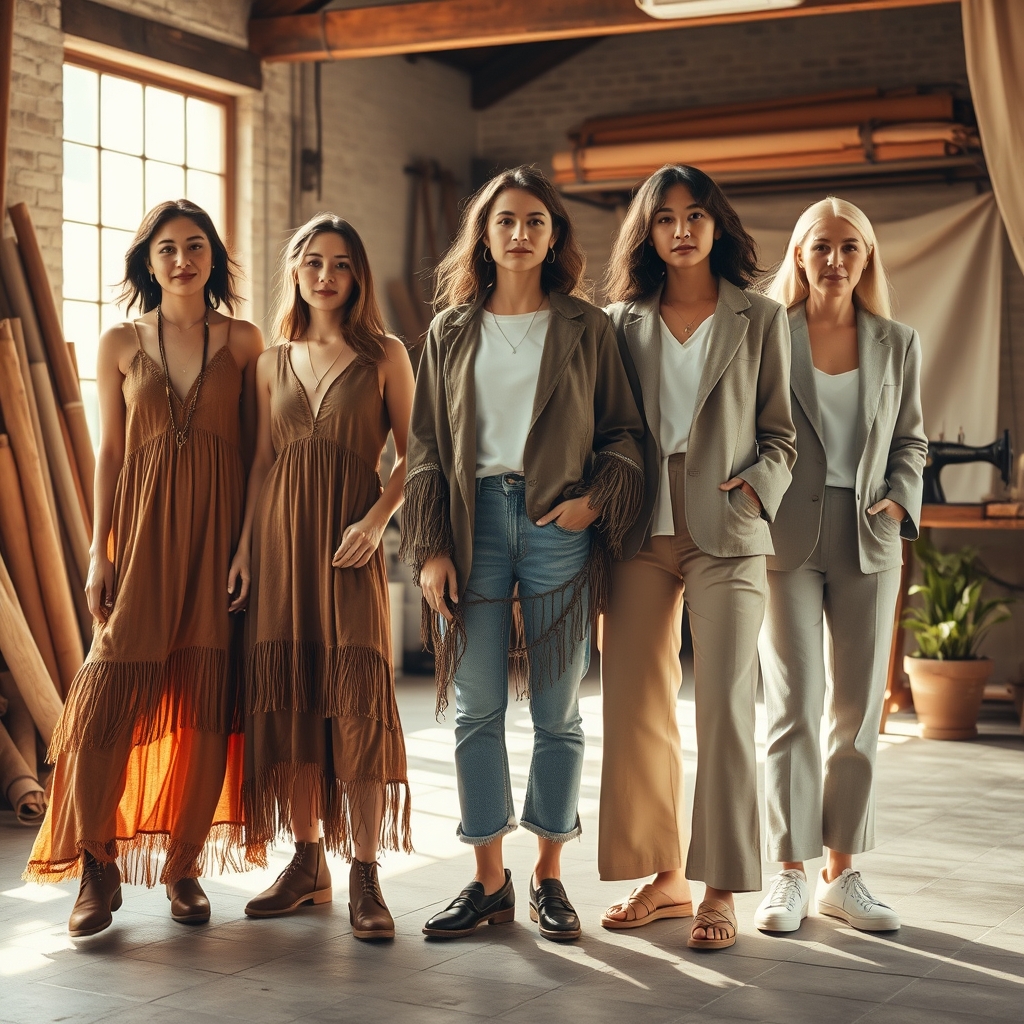
The beauty of fringe lies in its adaptability. Whether you’re aiming for a casual daytime look or an evening ensemble with a touch of drama, fringe can be styled to suit any mood or occasion. For a laid-back, boho-chic vibe, pair a fringe-trimmed suede skirt with a simple white tee and ankle boots. Add a wide-brimmed hat and layered necklaces for an effortlessly cool finish. If you’re heading to a music festival or a summer gathering, a fringe kimono over a slip dress instantly elevates your outfit while keeping it comfortable and breathable.
For those who love a more polished look, fringe can be incorporated in subtle ways. A tailored blazer with fringe detailing adds a playful twist to office attire, while a fringe-trimmed clutch or crossbody bag can inject personality into an otherwise minimalist outfit. Even footwear has embraced the fringe trend, with ankle boots and sandals featuring delicate fringe that sways with every step, adding a touch of whimsy to any look.
The Future of Fringe: Innovation and Inclusivity
As bohemian fringe fashion continues to evolve, designers are pushing the boundaries of creativity and inclusivity. Fringe is no longer confined to traditional materials like leather and suede; it’s being reimagined in unexpected fabrics such as silk, linen, and even metallic threads. This experimentation allows fringe to transcend seasons and styles, making it a versatile choice for fashion lovers of all ages and backgrounds.
Moreover, the rise of gender-neutral fashion has opened new avenues for fringe to shine. Fringe-adorned pieces are increasingly designed to be worn by anyone, regardless of gender, breaking down barriers and celebrating self-expression. This inclusivity is a testament to the enduring appeal of fringe—it’s a detail that doesn’t just adorn clothing but empowers the wearer to embrace their unique identity.
Why Fringe Resonates in Today’s Fashion Landscape
In an era where fashion often feels impersonal and mass-produced, bohemian fringe fashion offers a refreshing alternative. It’s a style that celebrates imperfection, movement, and individuality—qualities that resonate deeply with modern consumers. Fringe pieces invite touch and interaction, creating a sensory experience that goes beyond mere aesthetics. They tell a story of craftsmanship, heritage, and sustainability, making them more than just clothing; they’re wearable art.
The growing popularity of fringe also reflects a broader cultural shift toward mindful living. As people seek to simplify their lives and reduce their environmental footprint, they’re drawn to pieces that are both meaningful and versatile. Fringe, with its rich history and adaptable nature, fits perfectly into this narrative. It’s a reminder that fashion can be both beautiful and responsible, a celebration of creativity that doesn’t come at the expense of the planet.
As we look to the future, it’s clear that bohemian fringe fashion will continue to captivate and inspire. Whether it’s through the hands of sustainable fashion brands or the personal style of individuals, fringe will remain a symbol of freedom, creativity, and conscious living. It’s more than just a trend; it’s a timeless expression of what it means to live boldly and authentically, one swaying thread at a time.