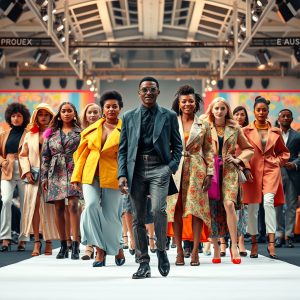
The Ethical Runway: How Sustainable Fashion Awards Are Shaping the Conscience of the Industry

The fashion industry has long been synonymous with glamour, creativity, and innovation, but beneath the shimmering surface lies a darker reality—one of environmental degradation, unethical labor practices, and wasteful consumption. In recent years, however, a quiet yet powerful movement has emerged, challenging the status quo and redefining what it means to be a fashion designer in the 21st century. At the forefront of this transformation are sustainable fashion awards, platforms that not only celebrate eco-conscious design but also push the boundaries of what fashion can—and should—be.
The Rise of the Conscious Designer
Gone are the days when fashion was solely about aesthetics. Today’s most visionary designers are those who seamlessly blend style with sustainability, proving that ethical practices need not come at the expense of beauty. Competitions like the EcoChic Design Award, the Green Carpet Challenge, and the Redress Design Award have become incubators for talent that prioritizes planet-friendly materials, zero-waste techniques, and fair labor conditions. These contests are not just about winning a trophy; they are about shifting the industry’s mindset from one of excess to one of responsibility.
What sets these competitions apart is their emphasis on innovation. Designers are no longer limited to traditional fabrics like cotton or silk; instead, they are experimenting with groundbreaking materials such as pineapple leather (Piñatex), mushroom-based textiles, and recycled ocean plastics. The H&M Foundation’s Global Change Award, for instance, has spotlighted startups and designers who are turning agricultural waste, algae, and even carbon emissions into wearable fashion. These initiatives prove that sustainability is not a limitation but a catalyst for creativity.
From Niche to Mainstream: The Power of Recognition
For years, sustainable fashion was relegated to the sidelines, dismissed as a passing trend or a niche market. But as consumer awareness grows, so too does the influence of eco-friendly design competitions. High-profile events like the CFDA/Vogue Fashion Fund and the LVMH Prize have begun incorporating sustainability criteria into their judging processes, signaling a seismic shift in the industry’s priorities. When luxury conglomerates and fashion institutions take notice, the message is clear: sustainability is no longer optional—it is essential.
This mainstream recognition has a ripple effect. Emerging designers who win or even participate in these competitions gain unparalleled exposure, often leading to collaborations with major brands, retail partnerships, and even their own sustainable fashion lines. Take, for example, the Redress Design Award alumni who have gone on to work with industry giants like VF Corporation and Puma, integrating circular design principles into mass-market collections. These success stories demonstrate that sustainable fashion is not just a moral choice but a viable career path.
The Role of Technology in Ethical Fashion
Technology has become an indispensable ally in the quest for sustainable fashion. Digital fashion competitions, such as the Digital Fashion Award by the Fashion Innovation Agency, are exploring how virtual garments and 3D design can reduce the environmental impact of physical production. By creating digital prototypes, designers can experiment with shapes, textures, and patterns without generating fabric waste—a game-changer for an industry notorious for its overproduction.
Moreover, blockchain technology is being leveraged to enhance transparency in the supply chain. Competitions like the Kering Award for Sustainable Fashion encourage designers to adopt traceability tools that allow consumers to track the journey of their garments, from raw material to finished product. This level of accountability is crucial in an era where greenwashing runs rampant, and consumers demand authenticity.
Challenging the Status Quo: The Avant-Garde of Sustainable Fashion
While some sustainable fashion awards focus on practical, ready-to-wear solutions, others push the boundaries of what fashion can be. The Hyères International Festival of Fashion and Photography and the ITS (International Talent Support) competition have become hotbeds for avant-garde designers who use sustainability as a springboard for radical creativity. These platforms celebrate designers who reimagine waste as art, turning discarded materials into haute couture masterpieces that challenge conventional notions of beauty and value.
One standout example is the work of Marina Testino, whose #WeAreAllHuman campaign and collaborations with brands like Stella McCartney have highlighted the intersection of sustainability and social justice. Her designs, often made from upcycled textiles, are a testament to the idea that fashion can be both a form of self-expression and a force for global change. Competitions that champion such visionaries are not just shaping the future of fashion—they are redefining its very purpose.
The Consumer’s Role in the Ethical Fashion Movement
While designers and competitions play a pivotal role in driving change, the power of the consumer cannot be underestimated. As awareness of fashion’s environmental and social impact grows, so too does the demand for transparency and ethical practices. Sustainable fashion awards serve as a bridge between designers and consumers, educating the public on the importance of mindful consumption and the value of investing in pieces that are made to last.
Platforms like Good On You and Fashion Revolution have emerged to help consumers make informed choices, rating brands on their ethical and environmental practices. When consumers vote with their wallets, they send a clear message to the industry: sustainability is not a trend—it is the future. Competitions that highlight sustainable design are not just celebrating innovation; they are empowering consumers to be part of the solution.
The fashion industry stands at a crossroads, where the choices made today will determine its legacy for generations to come. Sustainable fashion awards are more than just contests; they are beacons of hope, guiding the industry toward a future where creativity and conscience coexist harmoniously. As designers continue to push the boundaries of what is possible, and consumers increasingly demand accountability, the ethical runway is no longer a distant dream—it is a reality being stitched together, one innovative design at a time. The question is no longer whether fashion can be sustainable, but how quickly the industry can adapt to ensure that it is.