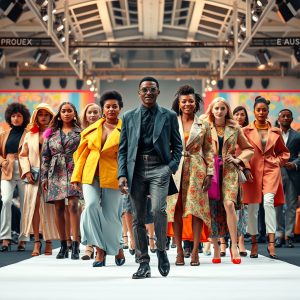
The Future Unfolded: How Digital Fashion Competitions Are Democratizing Haute Couture
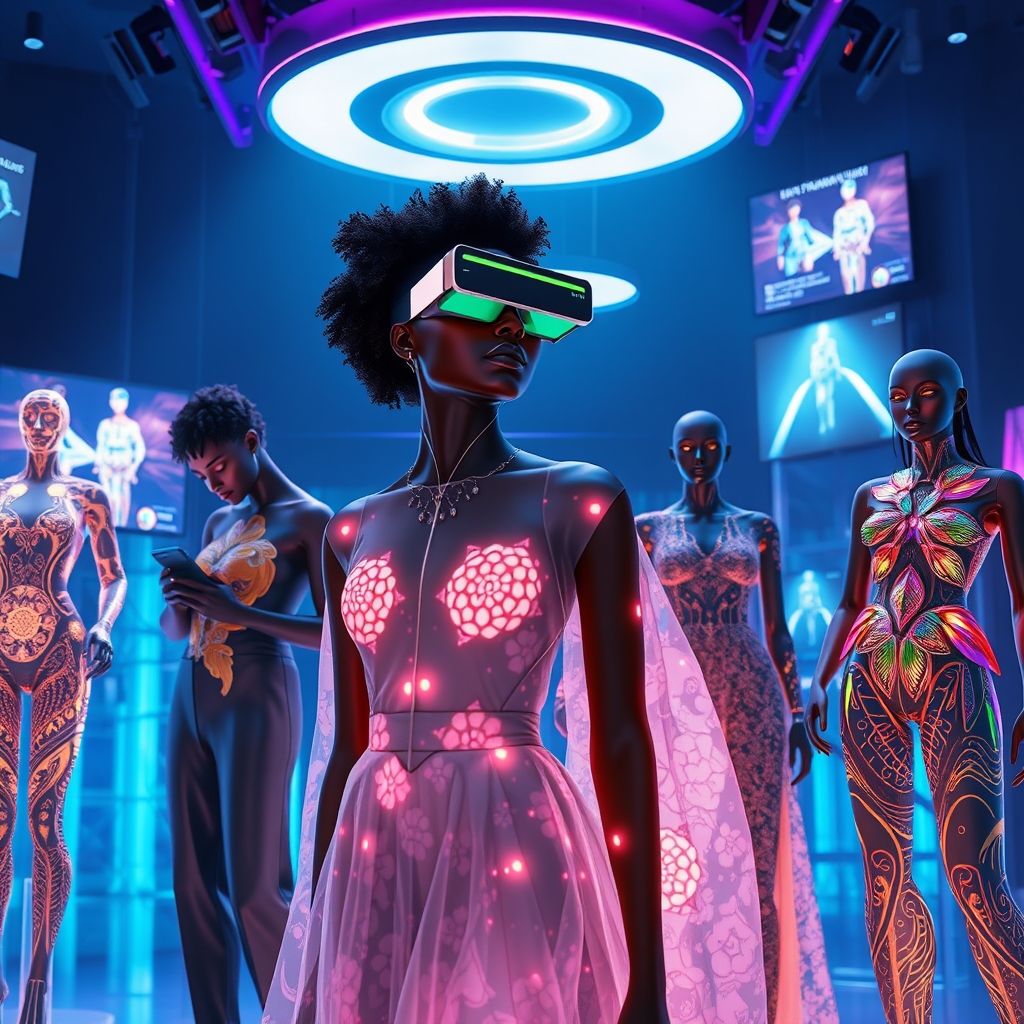
The fashion industry has long been synonymous with exclusivity, where the gates of haute couture were guarded by tradition, legacy, and often, astronomical price tags. Yet, in the last decade, a quiet revolution has been unfolding—one that is tearing down these barriers and inviting a new generation of creators to redefine what luxury means. At the heart of this transformation are digital fashion competitions, platforms that are not just showcasing talent but actively reshaping the landscape of high fashion.
The Democratization of Design
Historically, breaking into the world of haute couture required more than just talent; it demanded connections, resources, and often, a willingness to navigate the labyrinthine politics of the fashion elite. Emerging designers from non-traditional backgrounds—whether due to geography, socioeconomic status, or lack of industry ties—found themselves on the outside looking in. Digital fashion competitions have flipped this script. By leveraging online platforms, these contests have become the great equalizers, offering a stage where a designer in Lagos can compete on the same footing as one in Paris or Milan.
Take, for example, the International Digital Fashion Awards (IDFA), a competition that has gained traction for its inclusive approach. Unlike traditional contests that often favor established names or require physical samples, IDFA allows designers to submit digital renderings of their work. This shift has opened doors for creators who may not have the means to produce physical prototypes but possess the vision and technical skills to bring their ideas to life in a virtual space. The result? A surge of fresh perspectives that challenge the status quo of what haute couture can—and should—be.
The Rise of the Hybrid Creator
Digital fashion competitions are not just about accessibility; they are also redefining the skill set required to succeed in fashion. The modern designer is no longer just a master of scissors and fabric but a hybrid creator fluent in 3D modeling, animation, and even blockchain technology. Competitions like the Virtual Fashion Contest by Fabricant have pushed designers to explore the intersection of fashion and technology, where garments exist as digital assets that can be worn in virtual worlds or even traded as NFTs.
This evolution has given rise to a new breed of fashion innovators. Designers like Iris van Herpen, who has long blurred the lines between fashion and technology, are now joined by a wave of digital-native creators who see no distinction between the physical and virtual realms. For these designers, competitions are not just about winning a prize but about proving that fashion can transcend the limitations of the tangible world. The implications are profound: if a garment can exist solely in the digital space, does it still hold value? The answer, increasingly, is a resounding yes.
Sustainability as a Core Tenet
One of the most significant impacts of digital fashion competitions is their role in promoting sustainability. The fashion industry is one of the world’s largest polluters, with the production of physical garments contributing to waste, carbon emissions, and unethical labor practices. Digital fashion offers a compelling alternative. By creating and showcasing designs in a virtual environment, competitions are reducing the need for physical samples, thereby minimizing waste and lowering the industry’s carbon footprint.
Competitions like the Eco-Friendly Style Contest have taken this a step further by explicitly rewarding designs that prioritize sustainability, whether through the use of digital materials or innovative techniques that reduce environmental impact. These contests are not just about creating beautiful clothes; they are about reimagining the entire lifecycle of a garment. What if, instead of discarding a dress after a few wears, it could be endlessly reimagined in the digital space? What if the future of fashion was not just sustainable but regenerative?
The Blurring Lines Between Art and Commerce
Digital fashion competitions are also challenging the traditional divide between art and commerce. In the physical world, haute couture is often seen as the pinnacle of artistic expression, while ready-to-wear is viewed as the commercial counterpart. In the digital realm, these distinctions are becoming increasingly irrelevant. A digital garment can be both a work of art and a marketable product, capable of being worn in a virtual fashion show, displayed in a digital gallery, or sold as an NFT.
This blurring of lines is evident in competitions like the Wearable Art Contest, where designers are encouraged to treat fashion as a canvas for creative expression. The winning designs often straddle the worlds of fashion, art, and technology, pushing boundaries in ways that would be impossible in the physical world. For instance, a digital dress might incorporate elements of augmented reality, allowing the wearer to interact with their environment in real-time. These innovations are not just redefining fashion; they are expanding the very definition of what a garment can be.
The Global Stage for Local Voices
Perhaps one of the most exciting aspects of digital fashion competitions is their ability to amplify local voices on a global stage. Fashion has long been dominated by a handful of cities—Paris, Milan, New York, London—but the digital revolution is decentralizing the industry. Competitions are now showcasing designers from regions that have historically been overlooked, from the vibrant streetwear scenes of Seoul and Lagos to the rich textile traditions of Oaxaca and Jaipur.
The Global Fashion Awards have been particularly instrumental in this shift, featuring categories that celebrate regional styles and techniques. By doing so, these competitions are not just diversifying the industry but also preserving cultural heritage. A designer from Nigeria, for example, might draw inspiration from traditional Adire textiles, reimagining them in a digital format that resonates with a global audience. In this way, digital fashion competitions are fostering a more inclusive and representative industry, where creativity knows no borders.
As the fashion industry continues to evolve, digital competitions are proving to be more than just a trend—they are a movement. They are dismantling the old guard, empowering a new generation of creators, and redefining what it means to be a designer in the 21st century. The future of fashion is not just about what we wear but how we create, share, and experience it. And in this future, the only limit is imagination.