The Sustainable Romance of Pastel Hues: How Soft Color Palettes Are Redefining Ethical Fashion with Timeless Grace
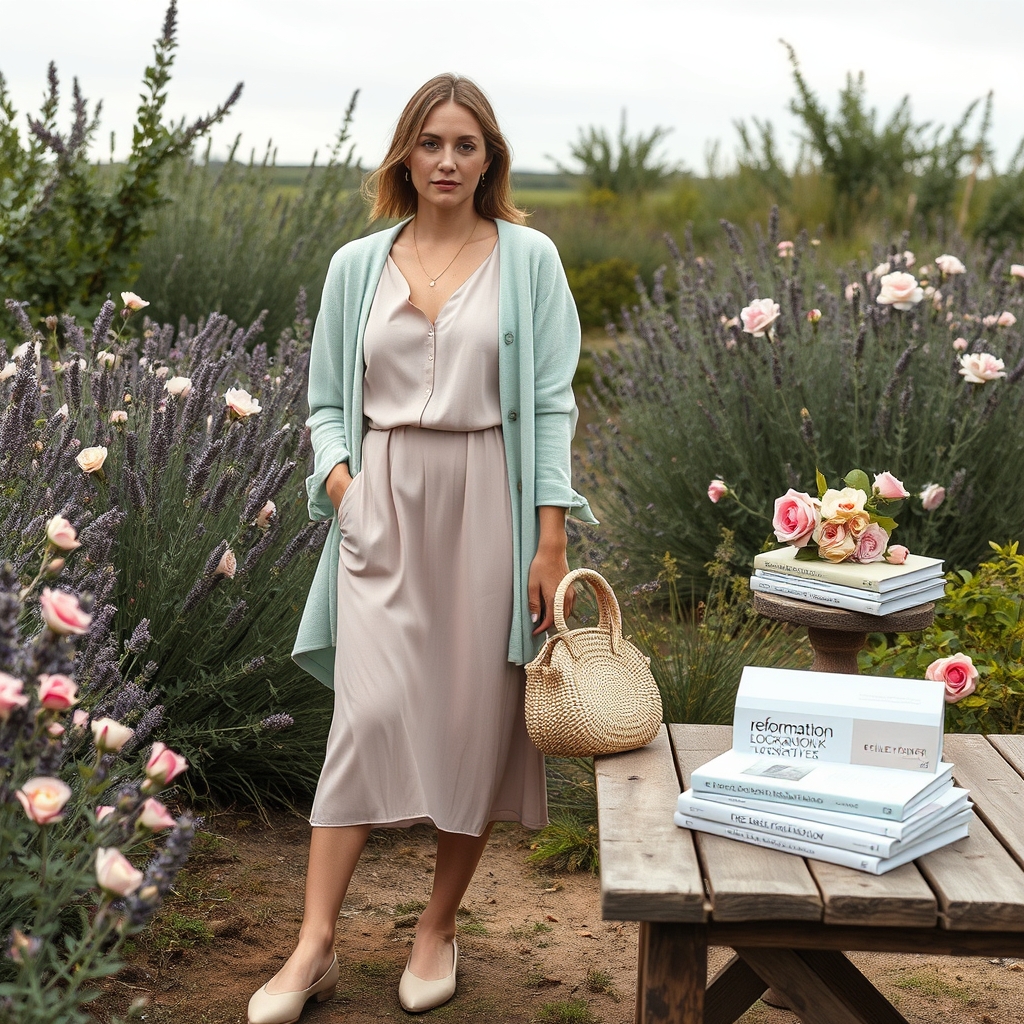
In a world where fashion trends often prioritize bold statements and fleeting moments, there’s something quietly revolutionary about the enduring appeal of pastel color palettes. These soft, dreamy hues—think blush pinks, mint greens, powder blues, and lavender whispers—have transcended seasons, cultures, and even generations, proving that subtlety can be just as powerful as spectacle. What makes pastels particularly fascinating today is their seamless alignment with the principles of sustainable fashion, where longevity, versatility, and mindful consumption take center stage. Far from being mere relics of retro nostalgia, pastels are experiencing a modern renaissance, redefining ethical fashion with a timeless grace that feels both fresh and familiar.
The Psychology of Pastels: Why Soft Hues Resonate
Pastel colors are more than just a visual delight; they carry a psychological weight that makes them universally appealing. Studies in color theory suggest that soft hues evoke feelings of calm, tranquility, and approachability. Unlike their brighter counterparts, which can feel overwhelming or aggressive, pastels create a sense of harmony and balance. This emotional resonance is one reason why pastels have found a permanent home in sustainable fashion. In an era where consumers are increasingly seeking clothing that aligns with their values—whether that’s environmental responsibility, ethical production, or emotional well-being—pastels offer a gentle yet impactful way to express individuality without compromising on conscience.
Brands like Reformation, known for their commitment to sustainability, have mastered the art of incorporating pastels into their collections. Their use of organic cotton, recycled fabrics, and low-impact dyes in soft color palettes demonstrates how ethical fashion can be both aesthetically pleasing and environmentally responsible. Similarly, Eileen Fisher’s timeless designs often feature pastel tones, proving that these hues are not just trends but enduring staples that transcend fleeting fashion cycles. By choosing pastels, these brands are not only reducing their environmental footprint but also fostering a deeper connection with consumers who crave authenticity and mindful elegance.
Pastels in the Modern Wardrobe: Versatility Meets Sustainability
One of the most compelling arguments for pastels in sustainable fashion is their unparalleled versatility. Unlike bold or neon colors, which can be challenging to style and often feel dated after a season, pastels effortlessly adapt to a variety of aesthetics. Whether it’s the Coastal Grandma style, with its breezy linen dresses and relaxed silhouettes, or the Minimalist Capsule Wardrobe, where every piece is designed to mix and match seamlessly, pastels serve as the perfect foundation. Their ability to blend into multiple looks makes them a smart investment for the conscious consumer, reducing the need for excessive consumption and encouraging a more thoughtful approach to fashion.
Take, for example, the Chic Ballet Flats that have become a staple in many wardrobes. A pair in soft blush or pale blue can transition effortlessly from a casual brunch to a professional setting, embodying the principles of a capsule wardrobe. Similarly, Trendy Capri Trousers in pastel shades can be dressed up with a silk blouse or down with a simple tee, offering endless styling possibilities. This adaptability is at the heart of sustainable fashion, where the goal is to create pieces that are not only beautiful but also functional and long-lasting.
The Role of Pastels in Quiet Luxury
The rise of the Quiet Luxury movement has further cemented the place of pastels in modern fashion. This aesthetic, championed by brands like The Row and Loro Piana, emphasizes understated elegance, impeccable craftsmanship, and a focus on quality over quantity. Pastels fit perfectly within this philosophy, as their soft tones exude a sense of refinement and sophistication without the need for loud logos or flashy designs. In quiet luxury, the beauty lies in the details—the drape of a fabric, the precision of a stitch, the subtle interplay of colors—and pastels provide the perfect canvas for these nuances to shine.
Moreover, pastels align with the sustainable ethos of quiet luxury by encouraging a slower, more intentional approach to fashion. When a garment is designed to last, both in terms of durability and style, it naturally reduces the demand for fast fashion. Pastels, with their timeless appeal, are inherently designed to endure, making them a natural choice for brands and consumers alike who are committed to reducing waste and promoting ethical practices.
Pastels and the Art of Layering: A Sustainable Styling Secret
Another reason pastels have become a cornerstone of sustainable fashion is their ability to layer beautifully. Layering is a key technique in creating a versatile wardrobe, as it allows a single piece to serve multiple purposes. For instance, a pastel cashmere sweater can be worn alone in the spring, layered over a collared shirt for a preppy look, or paired with a blazer for a more polished ensemble. This versatility not only maximizes the wearability of each garment but also reduces the need to purchase additional pieces, aligning with the principles of a Minimalist Capsule Wardrobe.
Brands like Amour Vert have embraced this concept, offering pastel-hued knitwear and outerwear that are designed to be layered and styled in countless ways. Their use of sustainable materials, such as Tencel and organic cotton, ensures that each piece is as kind to the planet as it is to the wearer. By focusing on timeless colors and versatile designs, these brands are helping consumers build wardrobes that are both stylish and sustainable, proving that less can indeed be more.
The Future of Pastels in Ethical Fashion
As the fashion industry continues to evolve, the role of pastels in sustainable fashion is likely to grow even more prominent. With advancements in eco-friendly dyeing techniques and a growing demand for transparency in supply chains, the production of pastel garments is becoming increasingly sustainable. Innovations like plant-based dyes and waterless dyeing processes are making it possible to create soft, beautiful hues without the environmental harm traditionally associated with textile production. This progress is a testament to the fashion industry’s ability to adapt and innovate, even in the face of significant challenges.
Furthermore, the cultural shift toward mindful consumption is creating a fertile ground for pastels to thrive. As consumers become more aware of the environmental and social impacts of their purchasing decisions, they are seeking out brands that align with their values. Pastels, with their inherent versatility and timeless appeal, offer a way to express personal style while making a positive impact. Whether it’s through a Vintage Aesthetic Outfit or a modern Elevated Athleisure look, pastels provide a bridge between the past and the future, proving that sustainability and style are not mutually exclusive.
In a world that often feels chaotic and fast-paced, pastels offer a moment of calm and reflection. They remind us that fashion can be a force for good, a way to express our individuality while honoring the planet and the people who make our clothes. As we move forward, the romance of pastel hues will continue to inspire, proving that the most enduring trends are often the ones that feel the most authentic and true to who we are.