
Threads of Tomorrow: How Sustainable Fashion Awards Are Cultivating a Greener Runway Revolution
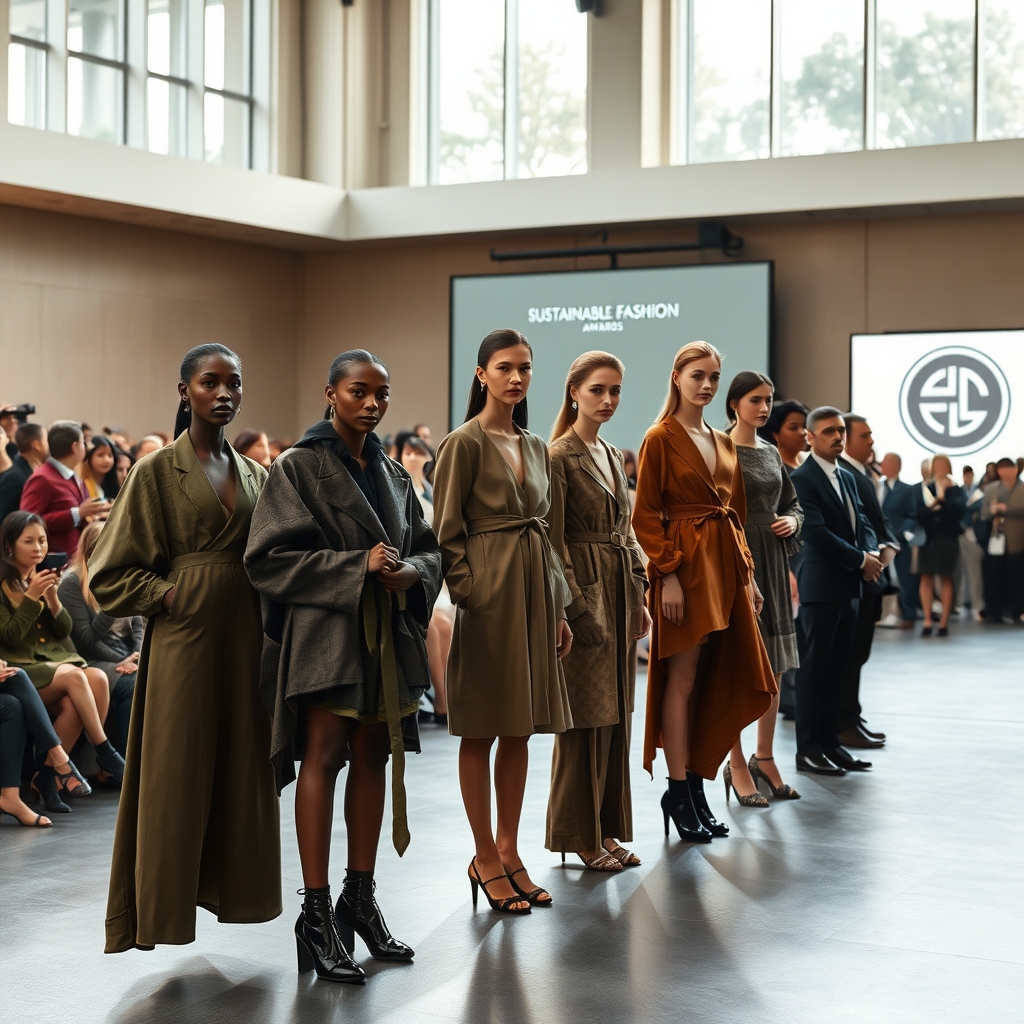
The fashion industry has long been synonymous with glamour, innovation, and reinvention. Yet, beneath the shimmering surface of haute couture and ready-to-wear collections lies a pressing challenge: sustainability. As the world grapples with climate change and environmental degradation, the fashion world is undergoing a transformative shift, one stitch at a time. At the forefront of this movement are the Sustainable Fashion Awards, platforms that not only celebrate creativity but also champion eco-conscious design. These competitions are redefining what it means to be a fashion visionary in the 21st century.
The Rise of Eco-Conscious Competitions
In recent years, the Eco Friendly Style Contest and Sustainable Fashion Awards have gained unprecedented traction. Unlike traditional fashion competitions that prioritize aesthetics and craftsmanship alone, these contests place sustainability at the core of their judging criteria. Designers are now tasked with creating pieces that are not only visually stunning but also ethically produced, using materials that minimize environmental harm. This shift reflects a broader cultural awakening, where consumers and creators alike are demanding transparency, accountability, and responsibility from the fashion industry.
One of the most influential competitions in this space is the Global Fashion Awards‘ sustainability category, which has become a beacon for emerging designers. Winners of this category often gain international recognition, proving that eco-friendly fashion is not just a niche but a viable and lucrative path. Similarly, the Next Generation Designer contests have begun to integrate sustainability as a key component, encouraging young talent to think critically about the lifecycle of their garments. These platforms are not merely competitions; they are incubators for a new era of fashion.
Materials Matter: The Heart of Sustainable Design
The materials used in fashion design are where sustainability truly takes shape. Competitions like the Innovative Style Awards and Wearable Art Contest have spotlighted designers who experiment with unconventional, eco-friendly fabrics. From pineapple leather and mushroom-based textiles to recycled plastics and upcycled denim, the possibilities are as vast as they are inspiring. These materials are not just alternatives; they are the future of fashion, offering durability, versatility, and a reduced carbon footprint.
Take, for example, the winner of last year’s Avant Garde Fashion Showcase, who crafted a breathtaking collection entirely from discarded fishing nets and ocean plastics. The collection not only made a powerful statement about marine pollution but also demonstrated the potential of waste as a resource. Such innovations are a testament to the creativity and ingenuity that sustainable fashion competitions inspire. They challenge designers to rethink their approach to materials, pushing the boundaries of what is possible in eco-conscious design.
Beyond the Runway: The Impact of Sustainable Fashion Awards
The influence of these competitions extends far beyond the runway. By highlighting sustainable practices, they educate both designers and consumers about the importance of ethical fashion. The Runway Design Awards and Contemporary Fashion Contest often include workshops and panel discussions on topics like circular fashion, zero-waste pattern cutting, and ethical labor practices. These initiatives foster a community of like-minded individuals who are committed to driving change within the industry.
Moreover, sustainable fashion awards have a ripple effect on the broader market. As designers gain recognition for their eco-friendly creations, mainstream brands are taking note. Luxury labels and fast-fashion giants alike are beginning to incorporate sustainable practices into their collections, whether through the use of organic cotton, waterless dyeing techniques, or carbon-neutral production methods. This shift is a direct result of the visibility and validation that these competitions provide, proving that sustainability and style are not mutually exclusive.
The Role of Technology in Eco-Friendly Fashion
Technology is playing an increasingly pivotal role in the evolution of sustainable fashion. Competitions like the Digital Fashion Competition and Virtual Fashion Contest are exploring how digital tools can reduce the environmental impact of the industry. From 3D printing and virtual sampling to blockchain for supply chain transparency, technology is enabling designers to create with minimal waste and maximum efficiency.
One standout example is the use of digital fashion shows, which gained prominence during the COVID-19 pandemic. These virtual events eliminate the need for physical samples, reducing waste and carbon emissions associated with travel and production. The International Style Awards have embraced this trend, hosting hybrid events that combine physical and digital elements to minimize their environmental footprint. As technology continues to advance, it will undoubtedly play an even greater role in shaping the future of sustainable fashion.
Cultivating the Next Generation of Eco-Conscious Designers
Perhaps the most significant impact of sustainable fashion awards is their ability to inspire the next generation of designers. Competitions like the Emerging Designer Contest and Creative Style Competition provide a platform for young talent to showcase their innovative ideas and gain exposure. For many emerging designers, these contests are a launching pad for their careers, offering mentorship, networking opportunities, and even funding to bring their visions to life.
Educational institutions are also taking note, with fashion schools around the world incorporating sustainability into their curricula. Students are now learning about ethical sourcing, sustainable production methods, and the environmental impact of the fashion industry from day one. This shift in education is crucial, as it ensures that the designers of tomorrow are equipped with the knowledge and skills to create a more sustainable future.
The journey toward a greener fashion industry is far from over, but the progress made through sustainable fashion awards is undeniable. These competitions are not just about crowning winners; they are about fostering a movement. By celebrating eco-conscious design, they are challenging the status quo and proving that fashion can be both beautiful and responsible. As more designers, brands, and consumers embrace sustainability, the runway of the future will be one where style and ethics walk hand in hand, leaving a legacy that is as enduring as it is elegant.