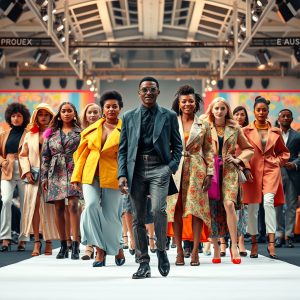
The Alchemy of Innovation: How Wearable Art Contests Are Bridging Fashion and Fine Art

The intersection of fashion and fine art has long been a playground for creative minds, but in recent years, wearable art contests have emerged as a powerful catalyst for redefining the boundaries between the two disciplines. These competitions are not merely about aesthetics or functionality; they are about storytelling, conceptual depth, and the transformation of fabric into a medium for artistic expression. As designers push the limits of what clothing can convey, wearable art contests have become a beacon for those who see fashion as more than just attire—it’s a living, breathing canvas.
The Evolution of Wearable Art in Fashion
Wearable art is not a new concept. Historically, clothing has always carried cultural, social, and even political significance. From the elaborate costumes of ancient civilizations to the avant-garde designs of the 20th century, fashion has often blurred the line between utility and art. However, the modern wearable art movement has taken this idea further by emphasizing the artistic process as much as the final product. Competitions like the Wearable Art Contest and the Avant-Garde Fashion Showcase have provided a platform for designers to experiment with unconventional materials, bold silhouettes, and thought-provoking themes.
What sets these contests apart is their focus on narrative. Unlike traditional fashion competitions that prioritize wearability or commercial viability, wearable art contests encourage designers to explore themes like identity, sustainability, and even futurism. The result is a fusion of fashion and fine art that challenges the viewer’s perception of what clothing can be. For instance, a designer might use recycled plastics to create a gown that comments on environmental degradation, or employ LED lights to craft a piece that explores the relationship between technology and humanity.
The Role of Technology in Wearable Art
Technology has become an indispensable tool in the creation of wearable art. Digital fashion competitions and virtual fashion contests have opened up new avenues for designers to experiment with 3D printing, augmented reality, and even AI-generated designs. These tools allow for unprecedented creativity, enabling designers to craft pieces that would be impossible to create by hand. For example, a designer might use 3D modeling software to design a dress with intricate, geometric patterns that defy traditional tailoring techniques. Similarly, augmented reality can be used to create interactive garments that change color or pattern based on the wearer’s movements or environment.
One of the most exciting developments in this space is the rise of digital fashion. Unlike physical garments, digital fashion exists solely in the virtual realm, designed to be worn in online spaces, video games, or social media. Competitions like the Digital Fashion Competition have embraced this trend, challenging designers to create pieces that are not only visually stunning but also optimized for digital platforms. This shift has democratized fashion in many ways, allowing designers from all over the world to participate without the constraints of physical production or shipping.
Sustainability as a Core Theme
Sustainability has become a central theme in wearable art contests, reflecting a broader shift in the fashion industry toward eco-conscious practices. Competitions like the Sustainable Fashion Awards and the Eco-Friendly Style Contest have highlighted the importance of using sustainable materials, ethical production methods, and zero-waste techniques. Designers are increasingly turning to upcycled fabrics, organic dyes, and biodegradable materials to create pieces that are as kind to the planet as they are visually striking.
One of the most inspiring aspects of these contests is their ability to transform waste into art. For example, a designer might repurpose discarded fishing nets into a futuristic bodysuit or use old denim jeans to create a patchwork jacket with a powerful message about consumerism. These pieces not only showcase the designer’s creativity but also serve as a reminder of the fashion industry’s responsibility to the environment. By integrating sustainability into wearable art, these contests are helping to redefine what it means to be a fashion designer in the 21st century.
The Impact on Emerging Designers
For emerging designers, wearable art contests offer a unique opportunity to gain recognition and build a portfolio. Unlike traditional fashion competitions, which often favor established names, these contests are more inclusive, welcoming designers from diverse backgrounds and skill levels. This inclusivity has led to a surge of fresh perspectives, with designers exploring everything from gender fluidity to cultural heritage in their work.
Moreover, these contests provide a platform for designers to experiment without the pressure of commercial success. This freedom allows them to take risks, push boundaries, and develop a signature style that sets them apart in a crowded industry. For many, winning or even participating in a wearable art contest can be a career-defining moment, opening doors to collaborations, exhibitions, and even commercial opportunities.
The Future of Wearable Art
As wearable art contests continue to gain traction, the future of fashion looks increasingly interdisciplinary. The lines between fashion, art, technology, and sustainability are blurring, creating a dynamic landscape where creativity knows no bounds. Competitions like the Global Fashion Awards and the Next Generation Designer contest are leading the charge, showcasing the next wave of talent that is redefining what fashion can be.
One of the most exciting prospects is the potential for wearable art to become more accessible. With the rise of digital fashion and virtual showcases, these contests are no longer limited to physical runways or elite audiences. Instead, they are reaching a global audience, inspiring a new generation of designers and art lovers alike. As technology continues to evolve, we can expect to see even more innovative approaches to wearable art, from AI-generated designs to garments that respond to the wearer’s emotions.
The journey of wearable art is far from over. As designers continue to explore the limitless possibilities of fabric, form, and function, these contests will remain at the forefront of fashion’s evolution. They are not just competitions; they are a celebration of creativity, a testament to the power of art, and a reminder that fashion is so much more than what we wear—it’s how we express who we are.