
The Green Thread: How Sustainable Fashion Awards Are Pioneering Ethical Elegance
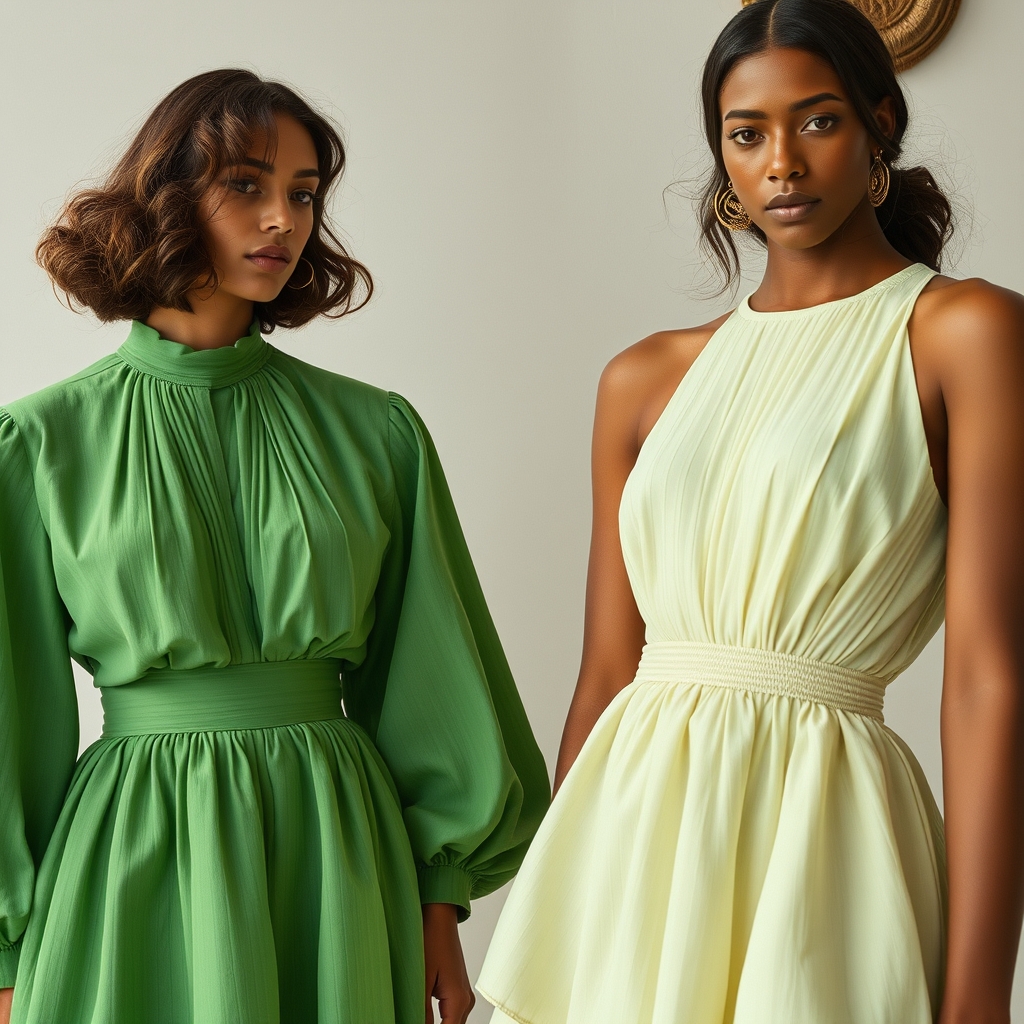
The fashion industry has long been synonymous with glamour, creativity, and innovation. Yet, beneath the shimmering surface of runway shows and haute couture lies a less glamorous truth: fashion is one of the most polluting industries in the world. From water-intensive cotton farming to toxic dye processes and the staggering volume of textile waste, the environmental cost of style has become impossible to ignore. Enter the Sustainable Fashion Awards, a movement that is not only redefining what it means to be fashionable but also proving that ethics and elegance can coexist harmoniously.
The Rise of Conscious Couture
In recent years, the fashion world has witnessed a seismic shift toward sustainability, driven by a new generation of designers who refuse to compromise on aesthetics while championing environmental responsibility. Competitions like the Eco-Friendly Style Contest and the Green Carpet Challenge have emerged as powerful platforms, spotlighting designers who are reimagining fashion through the lens of sustainability. These contests are not merely about creating beautiful garments; they are about redefining the entire lifecycle of fashion, from sourcing materials to production, distribution, and even end-of-life disposal.
One of the most compelling aspects of these awards is their ability to challenge the status quo. Traditional fashion competitions often prioritize novelty and shock value, but sustainable fashion awards demand something far more profound: innovation with purpose. Designers are tasked with creating pieces that are not only visually stunning but also ethically sound, using materials like organic cotton, recycled polyester, upcycled fabrics, and even biodegradable textiles. The result is a new kind of couture—one that tells a story of responsibility, resilience, and renewal.
From Waste to Wear: The Art of Upcycling
One of the most exciting trends to emerge from sustainable fashion competitions is the art of upcycling. Unlike recycling, which often breaks down materials to create something new, upcycling transforms waste into something of higher value without degrading the original material. This approach has given rise to some of the most innovative and breathtaking designs in recent years. Imagine a gown crafted from discarded fishing nets, a jacket made from repurposed denim, or a handbag stitched together from vintage scarves. These are not just garments; they are statements.
Competitions like the Wearable Art Contest and the Avant-Garde Fashion Showcase have become incubators for upcycling talent, pushing designers to think outside the box—literally. By repurposing materials that would otherwise end up in landfills, these designers are not only reducing waste but also creating one-of-a-kind pieces that celebrate the beauty of imperfection. The message is clear: fashion does not have to be disposable to be desirable.
The Role of Technology in Sustainable Fashion
While upcycling and ethical sourcing are critical components of sustainable fashion, technology is playing an increasingly vital role in driving the movement forward. Digital fashion competitions, such as the Virtual Fashion Contest, are exploring how technology can minimize the industry’s environmental footprint. From 3D-printed garments that eliminate fabric waste to virtual fitting rooms that reduce the need for physical samples, technology is enabling designers to create with precision and purpose.
One of the most groundbreaking advancements in this space is the rise of digital fashion—garments that exist solely in the virtual realm. These pieces, designed using cutting-edge software, can be